

Alternatives to Avatai
Avatai lets you create AI avatars that present information, answer questions, and interact with users in a humanized interface.
Explore 20 alternatives to Avatai. Compare features, pricing, and find the best fit for your needs.




Built2Win AI Indexing
Custom PHP websites, AI Indexing Pack ($599 one‑time), and WebAgentScan SaaS ($9/mo). MCP, A2A, llms.txt, full ownership.

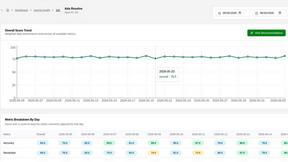
SnapPChart
SnapPChart grades a trading chart screenshot A+ to F, with an entry, stop, targets, and risk/reward. Works on stocks, forex, crypto, futures.
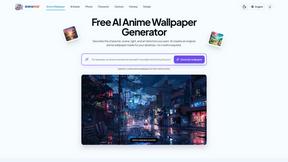
AnimeWall
Free AI anime wallpaper generator. Create original HD anime wallpapers and avatars from text prompts.

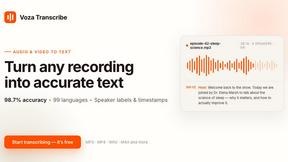

ContextBolt
MCP servers that give Claude and Cursor the data they can't reach. Your saved posts, live SEO data, asked in plain English.



VideoAny BR
Create AI videos from text or images, generate images and audio in one online studio.
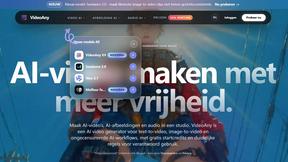
VideoAny BE
Create AI videos from text or images, generate images and audio in one online studio.
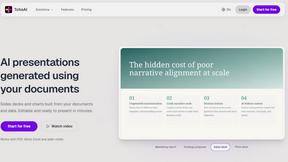
HubVanta AI
HubVanta AI helps creators generate images and videos with advanced AI tools for visual content workflows.
About Avatai Alternatives
Avatai is a platform that falls within the AI Assistants category, specializing in the creation of humanized AI interfaces. It allows users to design custom avatars with specific appearances and personalities, upload scripts or knowledge bases, and deploy these avatars to present information, answer questions, and interact with audiences in real time. This tool is particularly useful for scaling business functions like training, sales demos, customer onboarding, and marketing storytelling by turning static content into dynamic, conversational video experiences. Users often seek alternatives to Avatai due to factors such as pricing models that may not fit smaller budgets, a need for more advanced customization of avatar behavior, or specific integration requirements with existing enterprise software. Others might find the platform’s focus on video-based interaction too narrow for their needs, preferring text or voice-only assistants. When evaluating alternatives, it is important to consider the breadth of interaction modes offered, the ease of uploading and updating content, the level of avatar customization, and how well the solution integrates with your current tech stack to ensure it meets your specific use case without requiring excessive manual setup.
FAQs about Avatai Alternatives
What is Avatai?
Avatai is a platform that creates humanized AI interfaces, allowing users to design custom AI avatars. These avatars can present information, answer questions, and interact with users based on uploaded scripts or knowledge documents. It effectively turns static content into dynamic, conversational video experiences for various business applications.
Who is Avatai for?
Avatai is designed for teams and organizations looking to scale their communication efforts without scheduling bottlenecks. It is particularly useful for Learning & Development teams, sales departments, customer success managers, and marketing professionals who need to deliver personalized training, demos, onboarding, and campaign videos at scale.
What are the main features of Avatai?
Key features include designing an avatar's appearance and personality to match a brand, uploading content or writing scripts for the avatar to present, and deploying the avatar to interact with users and answer queries. The platform supports use cases like training and L&D, sales demos, customer onboarding, and marketing storytelling, all without requiring a traditional video production crew.
Is Avatai secure?
While specific security certifications are not detailed in the provided content, platforms like Avatai that handle business content and user interactions typically employ standard data protection measures. Users should review Avatai's official privacy and security documentation to understand how uploaded documents, scripts, and user interaction data are stored and protected to ensure compliance with their organization's policies.