

Alternatives to PainMap
PainMap instantly analyzes five platforms to find why products fail and delivers a validated go-to-market brief.
Explore 20 alternatives to PainMap. Compare features, pricing, and find the best fit for your needs.


Built2Win AI Indexing
Custom PHP websites, AI Indexing Pack ($599 one‑time), and WebAgentScan SaaS ($9/mo). MCP, A2A, llms.txt, full ownership.

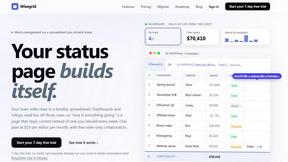
Wisegrid
Spreadsheet-native work management with AI formulas, dashboards, automation, reporting, and project views for growing teams.
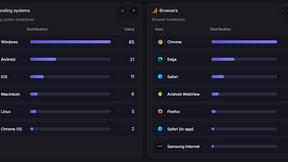
Owl Insight
A simpler Google Analytics dashboard for understanding GA4 traffic, pages, users, and performance without the complexity.

Co-GM
Co-GM is an all-in-one MMO guild management platform with OCR, PvP analytics, and scheduling that replaces multiple Discord bots for free.

Plate Photo AI
Plate Photo AI instantly transforms ordinary phone food photos into professional, menu-ready images that boost orders for restaurants and delivery.
Breezit AI
Breezit AI is an intelligent sales assistant that converts 50 percent more venue leads into bookings by handling inquiries across all channels around.
veloceidm.com
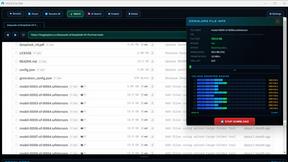
VELOCE AI is a Windows download manager that uses AI acceleration, a built-in Chromium browser, and multi-connection threading for faster downloads.

anewera
anewera creates verified AI agent profiles that make your business readable, findable, and contactable by ChatGPT, Claude, and other AI tools.
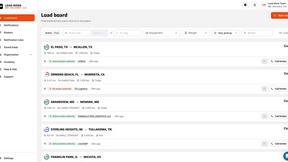
LoadWork
LoadWork is the largest expedited freight platform helping cargo van and box truck drivers find loads, grow their business, and access financing.

Vibeworker
Vibeworker uses AI to score every new Upwork job against your profile and strategy, sending instant alerts for only the best matches.
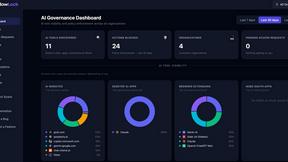
ShadowLock
ShadowLock detects and blocks unauthorized AI tool usage to prevent sensitive data leaks across your organization.

SeeCalc
SeeCalc offers over 56 free, instant, client-side calculators across marketing, health, finance, and construction with transparent formula breakdowns.

PrimeClaws VPS
PrimeClaws VPS provides managed, always-on cloud hosting for AI agents with zero DevOps and includes free access to frontier models.
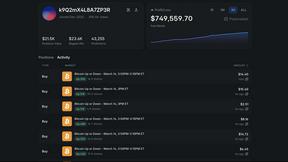
Polymarket Trading Bot For Crypto
Automate high frequency arbitrage and directional trading on Polymarket's 5 and 15 minute crypto markets with a transparent, locally run script.
About PainMap Alternatives
PainMap is a specialized research tool designed for solo founders and indie hackers who want to validate product ideas by uncovering real customer pain points. It falls into the category of market validation and user research software, automating the process of scanning platforms like Reddit, X, G2, Capterra, and Trustpilot to identify why existing tools fail and what users are willing to pay to fix. Users often look for alternatives due to budget constraints, a desire for more niche platform coverage, or the need for deeper integration with their existing workflow, such as CRM or project management systems. When evaluating an alternative, prioritize tools that offer real-time evidence extraction, clear willingness-to-pay signals, and actionable outputs like MVP briefs or landing page copy, ensuring the solution aligns with your speed and specificity requirements. The ideal alternative should also provide transparent pricing models that match your stage of development, whether that is a free tier for early testing or a scalable plan for ongoing validation. Look for platforms that emphasize data accuracy and source diversity, as the value lies in verified quotes and competitor weaknesses rather than generic feedback. Additionally, consider ease of use and speed of results, as the core benefit of PainMap is delivering validated insights in minutes, saving you from building products that lack market demand. A strong alternative will help you transition from gut-feel decisions to evidence-based building, ultimately accelerating your path to recurring revenue.
FAQs about PainMap Alternatives
What is PainMap?
PainMap is a market validation tool that uses parallel AI research to identify customer pain points and product opportunities. It scans platforms like Reddit, X, G2, Capterra, and Trustpilot simultaneously to find broken tools, manual processes, and money drains. Within two minutes, it delivers ten validated pain points with real evidence quotes and willingness to pay signals.
Who is PainMap for?
PainMap is built specifically for solo founders and indie hackers who are tired of building products that fail to gain traction. It is designed for those who want to shift from gut-feel decision making to evidence-based building, helping them create solutions people are already paying to fix. The tool is ideal for early-stage entrepreneurs looking to validate ideas before investing significant development time.
Is PainMap free?
Yes, PainMap offers a free plan that requires no credit card to get started. This allows users to test the tool and access its core functionality without upfront commitment. The free tier is designed to help founders validate initial ideas before deciding on a paid plan.
What are the main features of PainMap?
PainMap's main features include parallel AI research across multiple platforms, automated pain point extraction with real evidence quotes, and identification of willingness to pay signals. It also generates a full MVP brief, anchors pricing to competitor weaknesses and real data, and produces landing page copy ready for publication. The entire process typically takes two minutes from analysis to actionable output.